How to Wash and Care for Chikankari Garments
A Complete Guide to Preserving the Beauty of Handcrafted Chikan
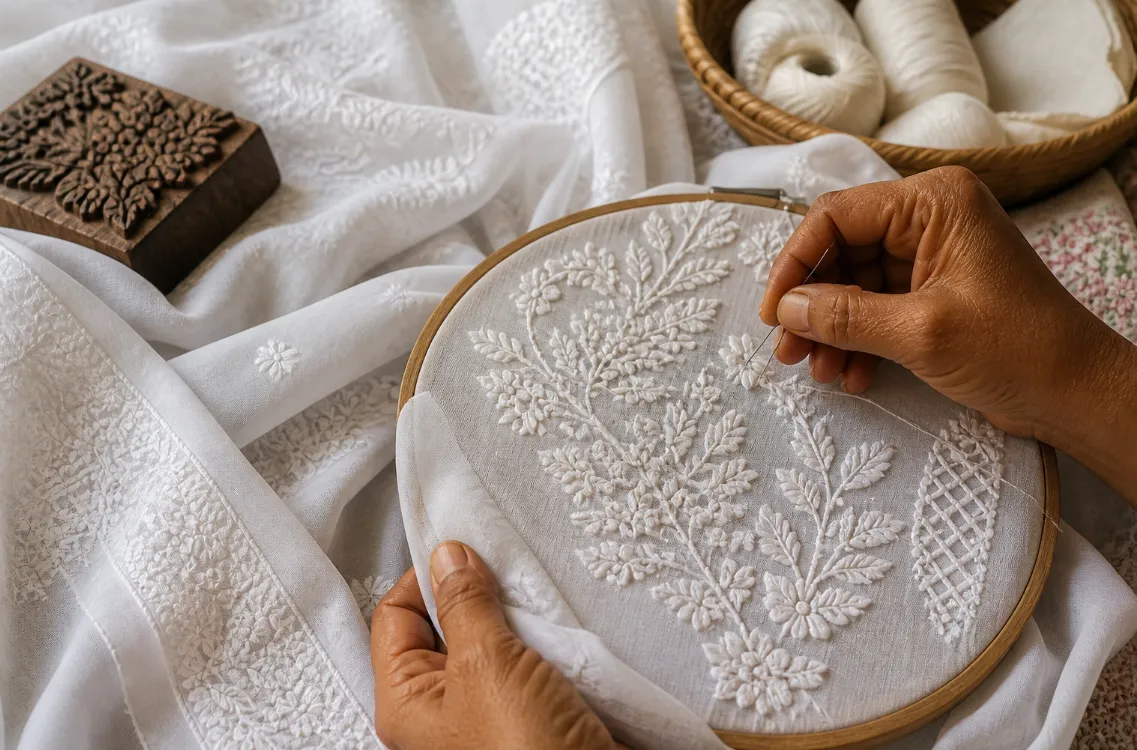
Authentic Lucknowi Chikankari is delicate, elegant, and timeless. Every handcrafted garment represents hours — sometimes weeks — of skilled embroidery work performed by artisans with extraordinary precision.
Because Chikankari is handcrafted, it deserves thoughtful care.
Proper washing and storage help preserve:
-
the softness of the fabric,
-
the beauty of the embroidery,
-
and the life of the garment for years to come.
At Tehzeeb, handcrafted Chikan has been cherished since 1962, and caring for these garments correctly is an important part of preserving their elegance.
This guide explains the best ways to wash, dry, iron, and store your Chikankari garments safely.
Why Chikankari Requires Gentle Care
Unlike heavy machine embroidery, authentic Chikankari is delicate handwork performed on soft fabrics such as:
-
cotton,
-
mulmul,
-
georgette,
-
chiffon,
-
crepe,
-
modal,
-
silk,
-
and tussar.
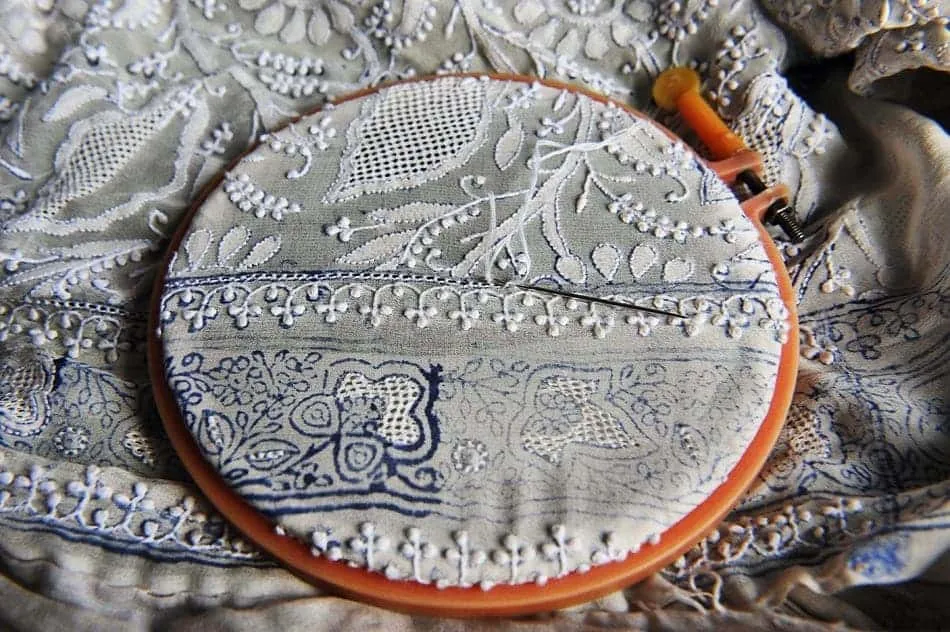
The embroidery itself may include intricate stitches like:
-
Bakhiya,
-
Murri,
-
Jaali,
-
Phanda,
-
and Ghaas Patti.
These fine handcrafted details require careful handling to maintain their softness and structure.
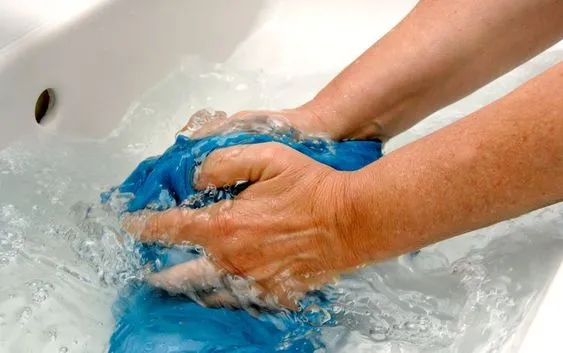
1. Always Prefer Gentle Hand Washing
The safest method for most Chikankari garments is gentle hand washing.
Recommended Method:
-
Use cold or normal water
-
Use mild liquid detergent
-
Soak briefly if needed
-
Wash gently without rubbing harshly
-
Rinse softly
Avoid aggressive scrubbing directly on embroidered areas.
Handcrafted stitches can become stressed if handled roughly.
2. Avoid Harsh Detergents and Chemicals
Strong detergents, bleach, and chemical cleaners may damage:
-
embroidery threads,
-
delicate fabrics,
-
and natural softness.
Never use:
-
bleach,
-
strong stain removers,
-
or harsh fabric chemicals.
Mild fabric care products are always safer for handcrafted garments.
3. Be Careful with Machine Washing
While some lightweight cotton Chikankari garments may tolerate delicate machine wash settings, premium handcrafted garments should preferably be hand washed.
If machine washing is unavoidable:
-
use a delicate cycle,
-
place the garment inside a laundry bag,
-
and avoid mixing with heavy clothing.
At Tehzeeb, delicate handcrafted pieces are best treated with gentle manual care whenever possible.
4. Never Wring the Garment Harshly
After washing:
-
gently press out excess water,
-
but do not twist or wring aggressively.
Harsh wringing may distort:
-
embroidery alignment,
-
fabric fall,
-
and delicate stitchwork.
5. Dry Naturally in Shade
Direct sunlight for prolonged periods may gradually affect:
-
fabric softness,
-
thread quality,
-
and color tone.
The best method is:
-
air drying,
-
in shade,
-
on a flat surface or hanger.
Avoid extremely high heat drying methods.
6. Iron Carefully from the Reverse Side
Chikankari garments should ideally be ironed inside out.
This protects:
-
raised embroidery,
-
delicate textures,
-
and shadow work.
Best Practice:
-
use low to medium heat,
-
place a soft cotton cloth over delicate areas if needed,
-
avoid pressing heavily on embroidered sections.
This helps preserve the natural elegance of handcrafted stitches.
7. Store Chikankari Properly
Proper storage helps maintain the beauty of hand embroidery over time.
Recommended Storage Tips:
-
Fold carefully
-
Store in a cool dry place
-
Avoid overcrowding
-
Use breathable cotton covers when possible
Avoid plastic storage for long periods, especially in humid climates.
Premium handcrafted garments deserve breathable storage conditions.
8. Be Extra Careful with White Chikankari
White Lucknowi Chikan is timeless and elegant — but requires extra attention.
To maintain brightness:
-
wash separately,
-
avoid contact with strong dyes,
-
and store away from moisture.
At Tehzeeb, white handcrafted Chikankari remains one of the most admired expressions of understated luxury.
9. Dry Cleaning for Heavier or Luxury Pieces
For:
-
heavily embroidered garments,
-
delicate silks,
-
festive wear,
-
or heirloom-quality pieces,
professional dry cleaning may be the safer option.
Always choose experienced cleaners familiar with handcrafted embroidery.
Common Mistakes to Avoid
Avoid:
-
harsh detergents
-
bleach
-
hot water washing
-
aggressive scrubbing
-
direct ironing on embroidery
-
excessive machine drying
-
twisting or wringing
These can weaken delicate handcrafted stitches over time.
Why Proper Care Matters
Authentic handcrafted Chikankari is not fast fashion.
It is wearable craftsmanship shaped slowly through artisan skill and patience.
With proper care, high-quality Chikankari garments can remain beautiful for many years — sometimes even across generations.
At Tehzeeb, preserving the elegance of handcrafted Lucknowi Chikan is not only about creating beautiful garments, but also about helping customers cherish them for years to come.
The Beauty of Preserving Handmade Art
Every handcrafted Chikankari garment carries:
-
the skill of artisans,
-
the heritage of Lucknow,
-
and the timeless elegance of true craftsmanship.
Caring for these garments thoughtfully helps preserve not only fabric and embroidery — but a living artistic tradition continued by hand.